30,000: The Price Tag for Tesla’s First Steerless Ride
Tesla aims to deliver its two-seater Cybercab to private customers before the end of 2026, though most units will initially join the company's robotaxi fleet.
By Noor Haddad ·
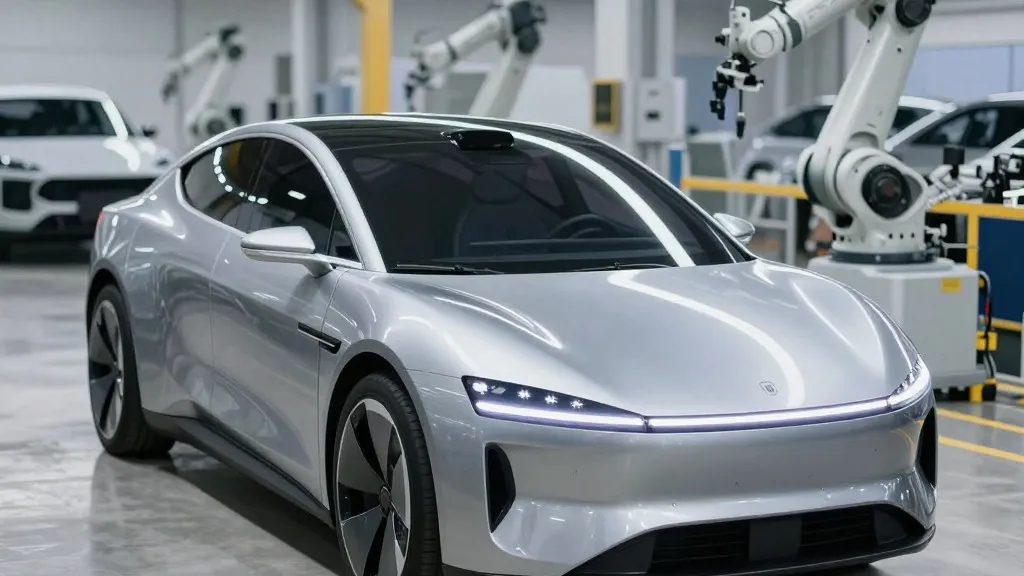
The automotive industry has spent the past two years debating whether Tesla’s fully autonomous two-seater would ever leave the factory floor for private buyers, but that uncertainty ended abruptly this past week. Following a definitive announcement during the company’s financial review, the Cybercab now has a confirmed timeline for entering the hands of individual owners.
Tesla’s third-quarter 2026 earnings call, held on October 21, provided the crucial details that had been missing from previous updates. Vice President of Engineering Lars Moravy stated that the company is targeting the delivery of Cybercab units to customers before the calendar year concludes. This marks a significant shift from earlier hints that suggested a longer wait for private ownership, solidifying the 30,000-dollar price point as the entry cost for those who manage to secure one of the initial allocations.
Despite the announcement, the path to the driveway will be narrow. Moravy clarified that production is currently active at Gigafactory Texas, but every unit rolling off the line is destined for Tesla’s internal Robotaxi fleet. He explained that as operations mature, the company plans to move toward selling fully designed autonomous vehicles, with the Cybercab serving as the first model in that category. However, these initial customer deliveries will be limited in scale, a strategy designed to allow the company to refine its logistics, ownership models, and fleet management protocols.
CEO Elon Musk reinforced this operational reality, distinguishing the Cybercab from traditional ownership models like the Model 3, Model Y, or the upcoming Roadster. He described the vehicle primarily as a transport-as-a-service offering, noting that the vast majority of units will remain Tesla-owned. This approach positions the Cybercab not as a personal garage asset, but as a shared mobility resource that customers can access rather than possess outright.
The vehicle itself is a radical departure from conventional design, featuring no steering wheel or pedals and relying entirely on Tesla’s Full Self-Driving suite. Production has been ongoing since February, with early units joining the public robotaxi service in early September. While the hardware is ready, the software and regulatory landscape present the final hurdles. Ashok Elluswamy, Tesla’s Head of AI, indicated that unsupervised Full Self-Driving is expected to reach consumer cars in the second quarter of 2027. Until then, early buyers or fleet operators may find their autonomous capabilities geographically restricted by lagging regulatory approvals.
For the Mid-Atlantic market and other early adopters, the stakes are clear. While the vehicle is technically ready for sale, the initial wave of private owners will be a small, select group. The broader availability of the Cybercab as a personal purchase remains contingent on Tesla’s ability to scale its delivery logistics and navigate the complex web of local regulations before the year’s end.
Source: Teslarati